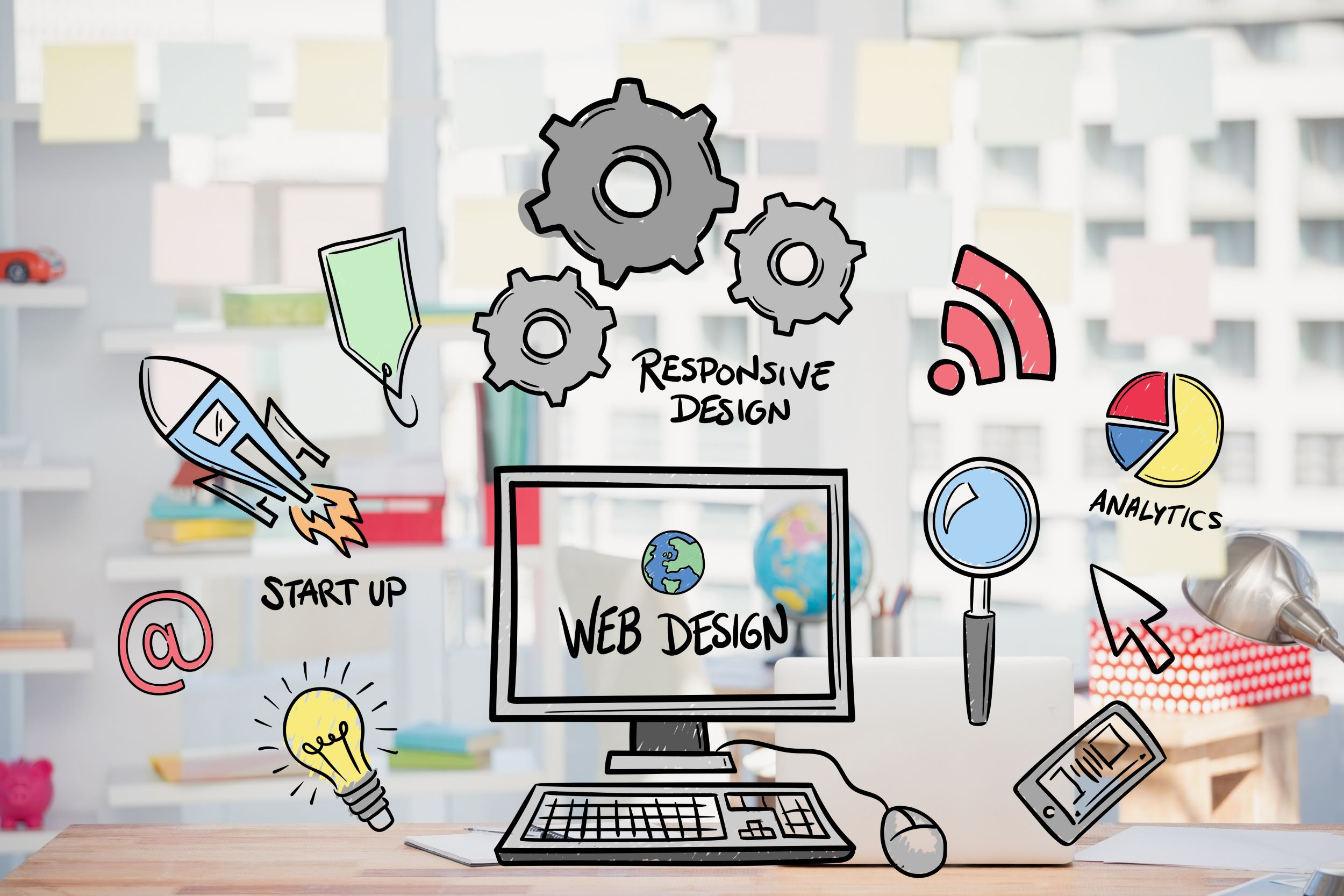
Web design courses are educational programs that teach individuals the skills and knowledge needed to create and design websites. Web design is a multidisciplinary field that encompasses various aspects of web development, including visual design, user experience (UX) design, and coding. Here are the key details you can expect from web design courses:
- Course Content:
- HTML and CSS: Fundamental web technologies like HTML (Hypertext Markup Language) and CSS (Cascading Style Sheets) are typically covered. These are essential for structuring web content and defining its visual presentation.
- Responsive Design: Courses often include instruction on designing websites that adapt to different screen sizes and devices (e.g., mobile, tablet, desktop).
- Visual Design: You’ll learn principles of graphic design, layout, typography, color theory, and how to create visually appealing web interfaces.
- User Experience (UX) Design: Courses may cover UX design concepts, such as user research, information architecture, wireframing, and prototyping.
- Web Design Tools: Training on web design software tools like Adobe XD, Sketch, Figma, and Adobe Photoshop may be provided.
- Web Animation and Interactivity: You might learn how to incorporate animations, transitions, and interactive elements using JavaScript or CSS.
- Content Management Systems (CMS): Some courses cover popular CMS platforms like WordPress and Joomla.
- Web Standards and Accessibility: Courses often emphasize adhering to web standards and ensuring websites are accessible to all users.
- Course Levels:
- Beginner: Designed for those with little to no web design experience.
- Intermediate: Suitable for individuals with basic knowledge who want to advance their skills.
- Advanced: Covers complex techniques and is typically for experienced web designers or those seeking specialization.
- Duration: The duration of web design courses can vary widely, from short workshops to full-semester courses or multi-year degree programs.
- Format:
- Online Courses: Many web design courses are available online through various e-learning platforms.
- In-Person Classes: Some institutions offer in-person classes and workshops for web design.
- Certification Programs: Certain courses provide certification upon completion.
- Instructor/Provider: Web design courses are offered by universities, design schools, online learning platforms, and independent instructors. Choose a reputable source for your training.
- Prerequisites: Check if there are any prerequisites for the course, such as basic computer skills or familiarity with design software.
- Cost: The cost of web design courses varies, from free online tutorials to expensive degree programs. Consider your budget and the value you expect to gain from the course.
- Software and Equipment: Some courses may require you to have access to specific design software and equipment. Ensure you have the necessary tools or access to them.
- Projects and Portfolio Building: Look for courses that provide opportunities to work on real projects or build a portfolio. Building a portfolio is crucial for showcasing your web design skills.
- Certification: Some courses offer certification upon completion, which can be beneficial for demonstrating your web design abilities to potential employers or clients.
- Job Opportunities and Networking: Certain courses may offer job placement assistance or opportunities to network with professionals in the field.
When choosing a web design course, consider your current skill level, your specific design interests (e.g., UI design, UX design, front-end development), your preferred learning format, and your career goals. Research various courses, read reviews, and seek recommendations from professionals in the industry to select a course that aligns with your expectations and aspirations in the web design field.
Course Features
- Lecture 0
- Quiz 0
- Duration 35 hours
- Skill level All levels
- Language English
- Students 26
- Assessments Yes