
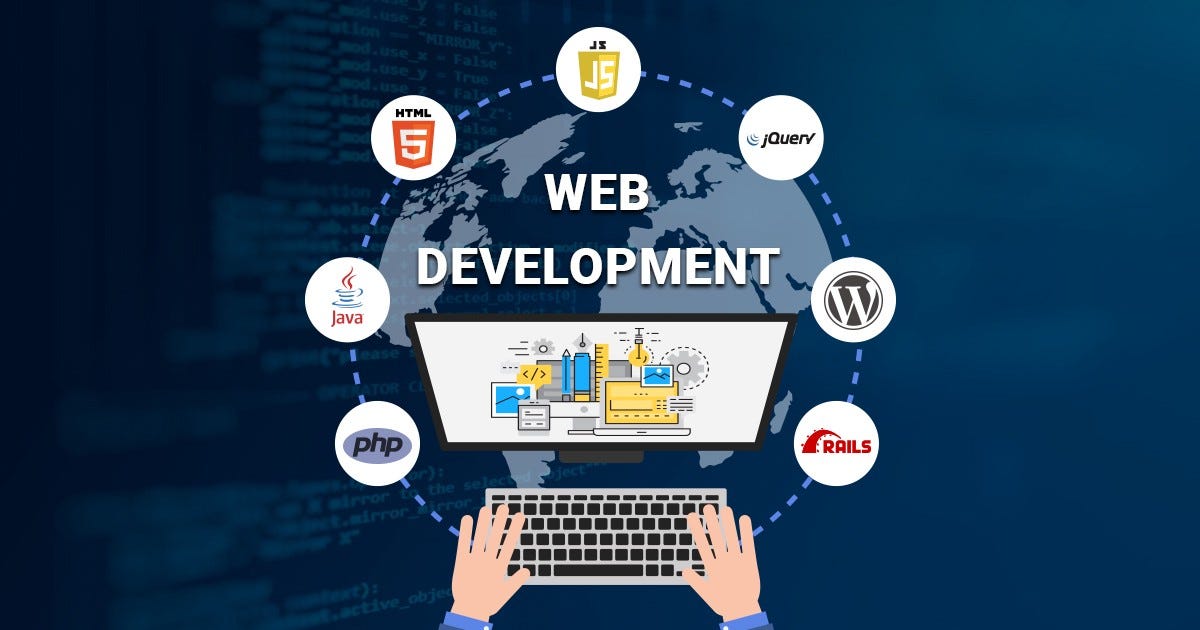
How to learn web Design & Development
Learning web design and development is an exciting and valuable skill that can open up many opportunities in the tech industry. Whether you’re interested in creating websites for personal projects, launching a career in web development, or starting a freelance business, here are the steps to get started and continue your learning journey:
1. Define Your Goals:
- Clarify your objectives. What do you want to achieve with web design and development? Do you want to build websites for clients, create your own projects, or improve your existing skills?
2. Start with the Basics:
- Begin with the fundamental concepts:
- HTML (Hypertext Markup Language): Learn how to structure web content.
- CSS (Cascading Style Sheets): Study how to style and format web pages.
- JavaScript: Explore the basics of programming to add interactivity to your websites.
3. Online Courses and Tutorials:
- There are numerous online resources and courses that can help you learn web design and development. Platforms like Coursera, edX, Udemy, Codecademy, and freeCodeCamp offer courses for beginners.
4. Books and Documentation:
- Invest in web development books, such as “HTML and CSS” by Jon Duckett or “JavaScript: The Good Parts” by Douglas Crockford. Also, refer to official documentation for HTML, CSS, and JavaScript.
5. Practice:
- Apply what you learn by working on small projects. Start with simple static websites, and gradually add complexity as you become more confident.
6. Responsive Web Design:
- Learn about responsive design principles to create websites that work well on various devices and screen sizes. Understand CSS frameworks like Bootstrap.
7. Version Control:
- Get familiar with version control systems like Git and platforms like GitHub to manage your code and collaborate with others.
8. Learn a Web Development Framework:
- Consider learning a popular web development framework like React, Angular, or Vue for front-end development and Node.js or Django for back-end development.
9. Databases and Server-Side Development:
- Study databases like MySQL, PostgreSQL, or MongoDB, and server-side scripting languages like PHP, Python, or Ruby.
10. Web Hosting and Deployment: – Understand how to host websites and deploy them on web servers. Learn about domain registration and web hosting services.
11. Continuous Learning: – Web development is a constantly evolving field. Stay up-to-date with the latest technologies, frameworks, and best practices by following blogs, attending web development conferences, and participating in online communities.
12. Build a Portfolio: – Create a portfolio website to showcase your projects and skills. A strong portfolio can help you secure freelance work or a job in the industry.
13. Freelancing or Internship: – Gain practical experience by taking on freelance projects or internships to build your resume and network with professionals in the field.
14. Community Involvement: – Join web development forums, communities, or social media groups to connect with other learners and experienced developers. Sharing knowledge and asking questions can be very beneficial.
15. Personal Projects: – Continue to build your own projects and experiment with new technologies and trends. It’s an excellent way to reinforce your skills and creativity.
16. Get Feedback: – Seek feedback on your work from peers or mentors. Constructive feedback can help you improve your skills and make better websites.
17. Certifications and Degrees (Optional): – Consider pursuing web development certifications or degrees if you want to formalize your education and enhance your career prospects.
Remember that learning web design and development is an ongoing process, and staying curious and adaptable is essential in this field. Practice regularly, explore new technologies, and keep building, and you’ll continue to grow as a web developer.

You may also like

What is The Digital Marketing